The School on Migration is a space for exchanging knowledge, skills and tools. In the program, we address the most important issues concerning contemporary migration, analyze humanitarian crises at borders, and reflect on the intersection of migration and climate issues.
Application schedule
Applications will be accepted until: 8 March
Announcement of admission list: 11 March
First workshops: 21-22 March
Final of the process: October 2026
School on migration 2026
In the upcoming edition of the School on Migration, we will focus primarily on migration as a bodily experience. The programme will address key issues related to the physiology of stress and change, while exploring body-based practices that can support coping with situations of transition.
As part of this year’s School, participants will take part in movement workshops combining somatic work with mindfulness and relaxation techniques. The workshops are designed and led by Alicja Borkowska (Strefa WolnoSłowa), Łukasz Wójcicki (Strefa WolnoSłowa), and Igor Stokfiszewski (Krytyka Polityczna), all of whom have long been engaged in creative work with migrant and refugee communities. The theoretical foundations of stress physiology will be introduced by Larysa Sugay (Adam Mickiewicz University), whose practice brings together academic knowledge, work with people with lived experience of migration (including her own), and physiotherapeutic practice.
Our exploration of how migration narratives are currently shaped in different countries will be accompanied by Anna Alboth, who will share her experience of communicating about migration in a responsible, strategic, and impactful way. Aleksandra Chrzanowska (Association for Legal Intervention), who is involved on a daily basis in humanitarian aid and advocacy work at the Polish–Belarusian border, will speak about work at the border and the changing legal framework governing asylum and migration in Poland. Pietro Floridia and Sara Pour of the Bologna-based collective Pendar Contro Vento will share their practices of involving refugee and migrant communities in artistic activities—both at Europe’s borders and in Bologna, where the collective has for years co-created the theatre group Cantieri Meticci.
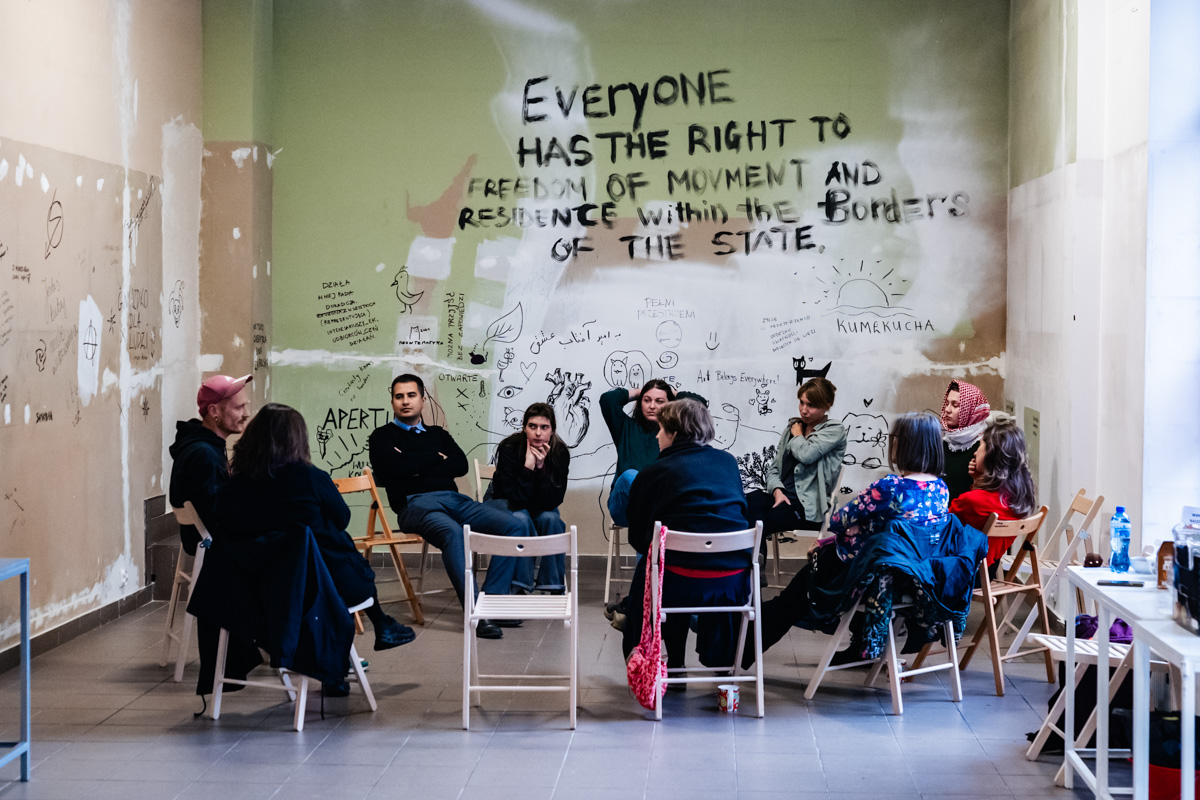
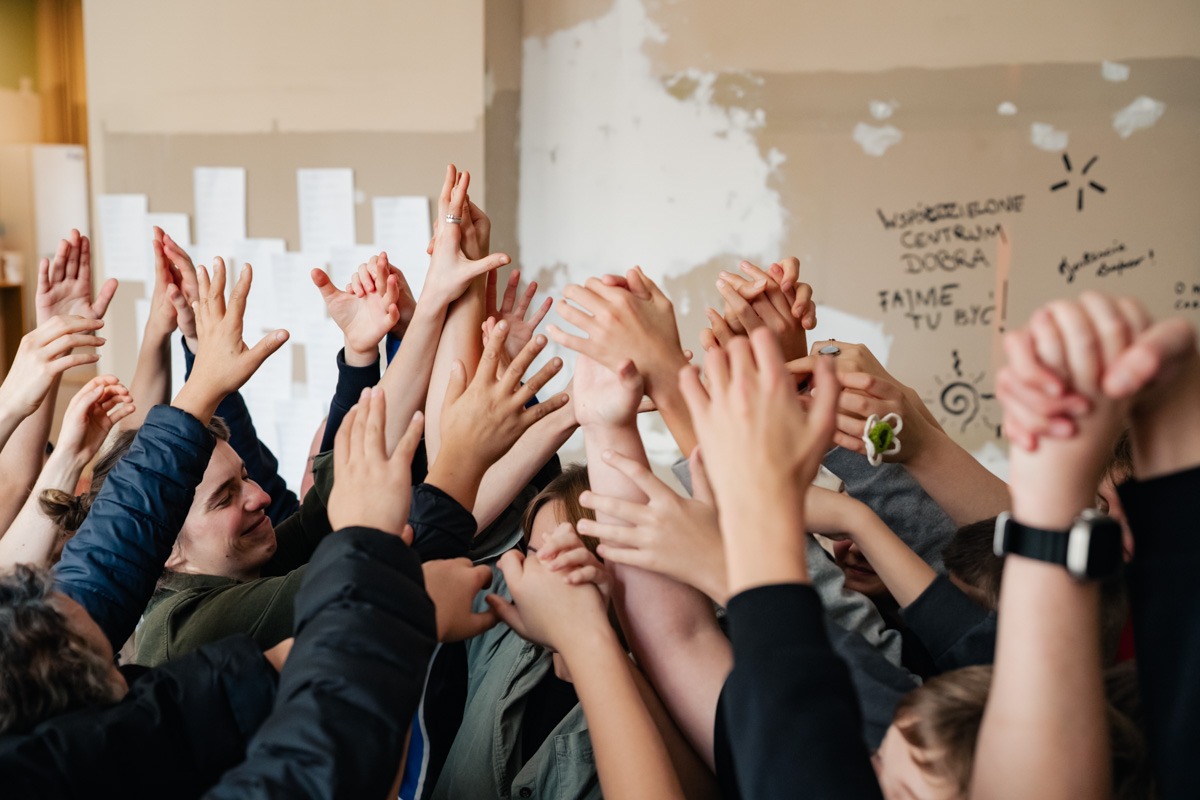

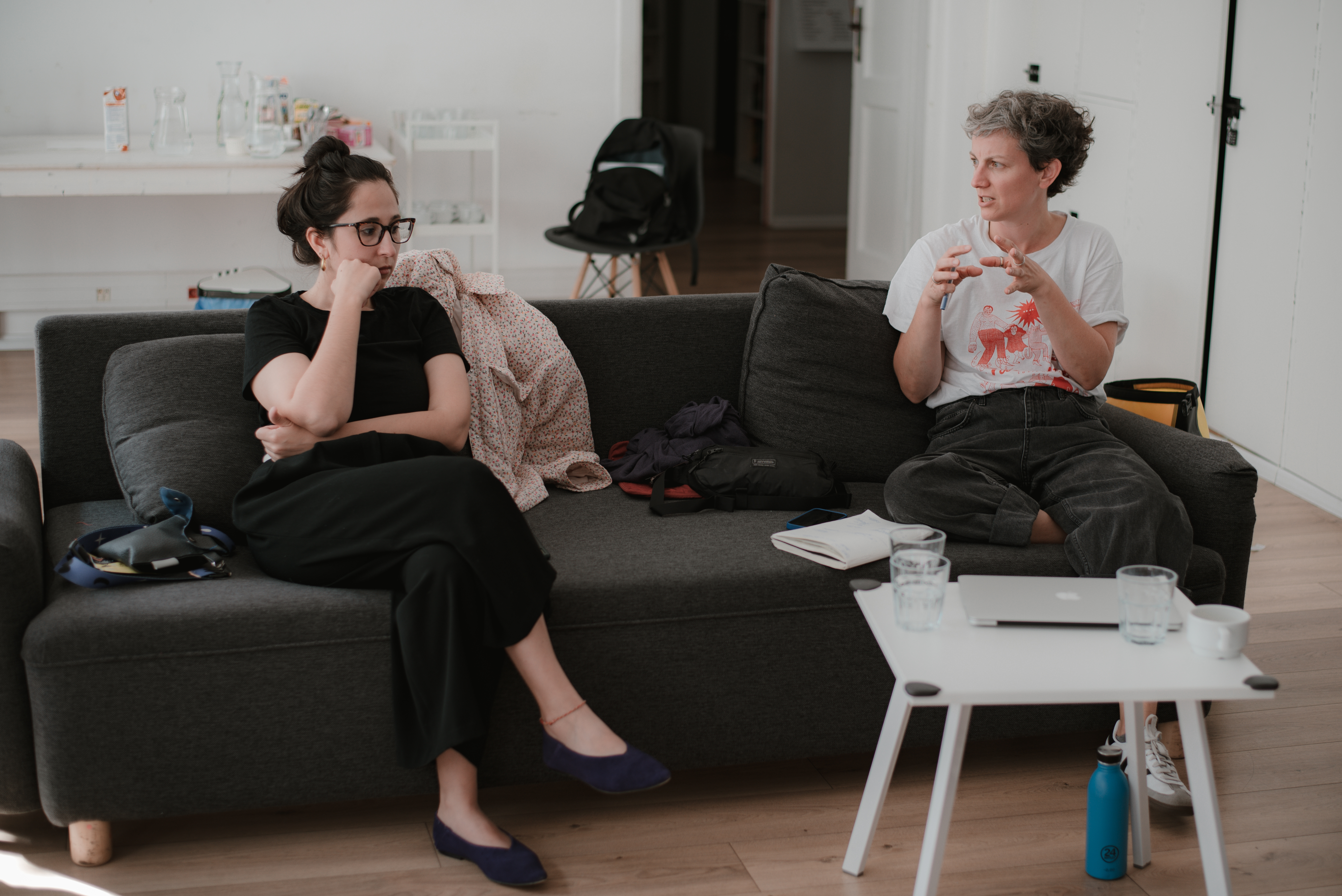


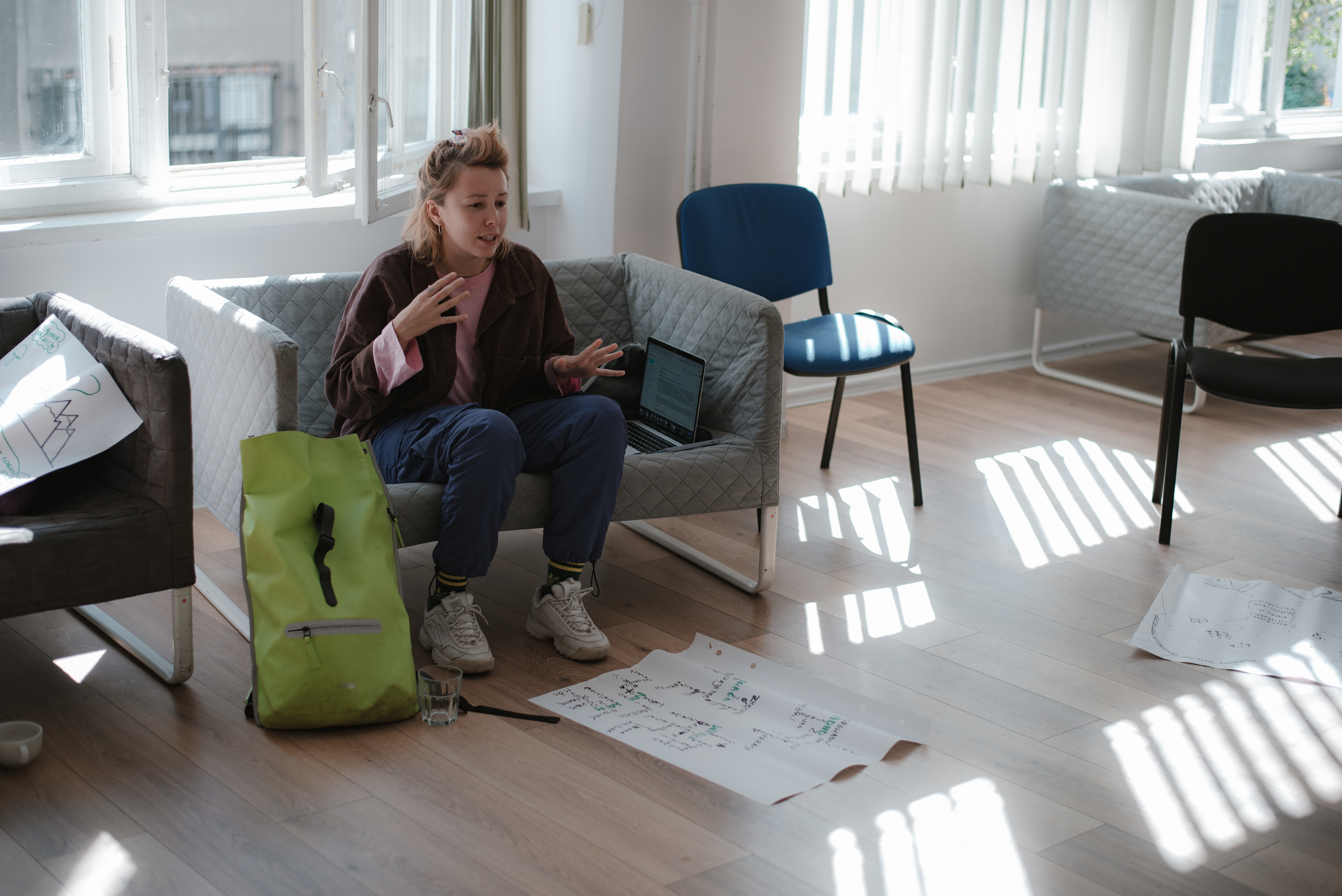
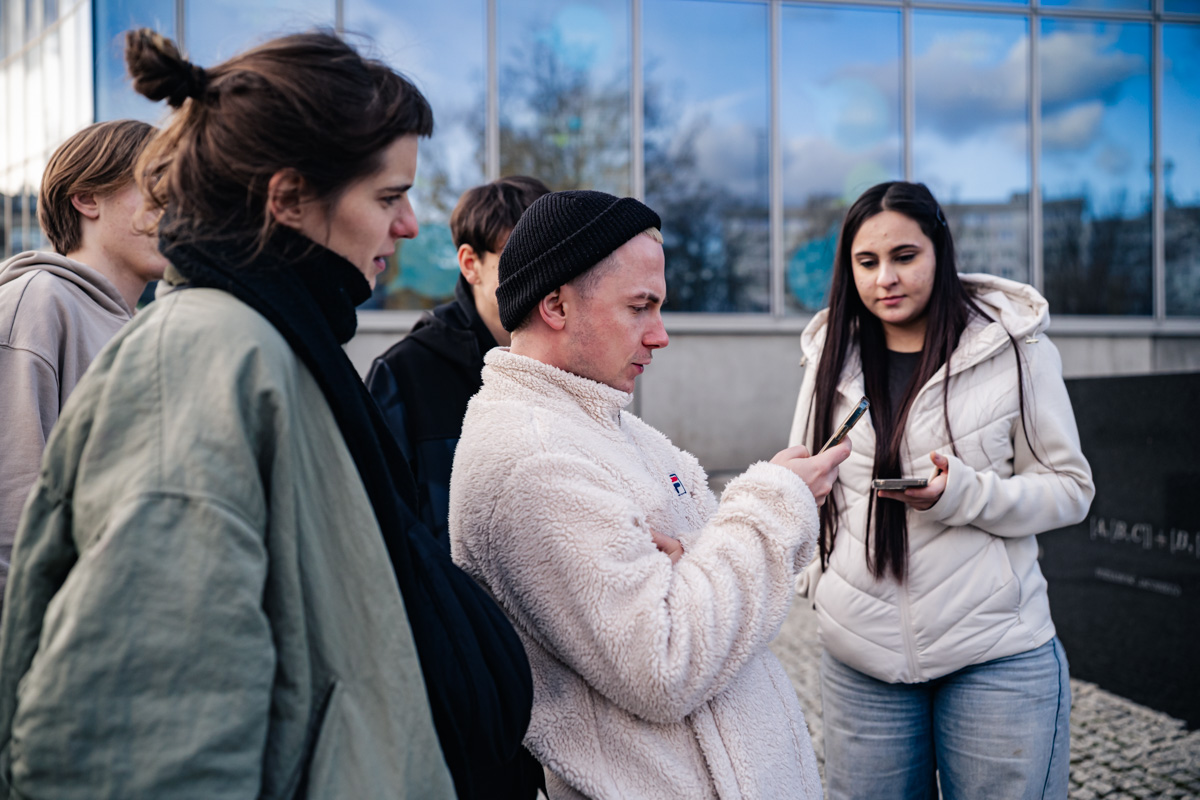
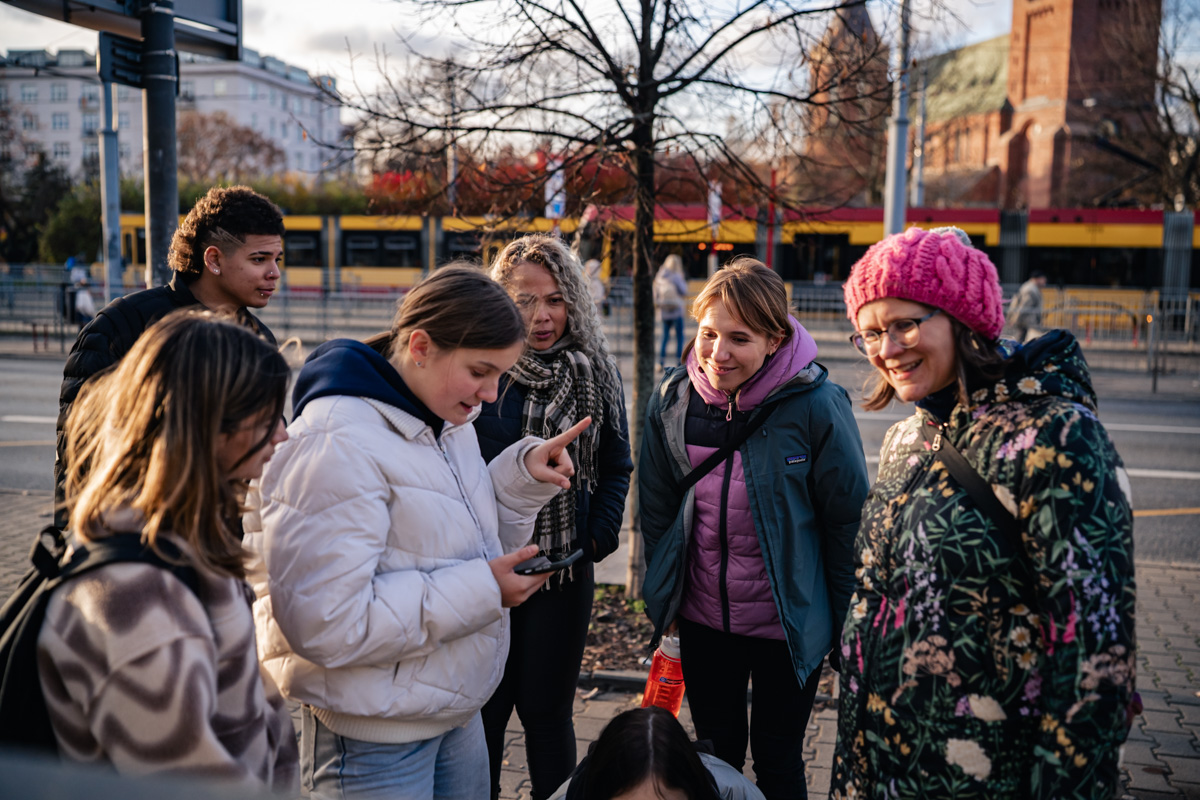
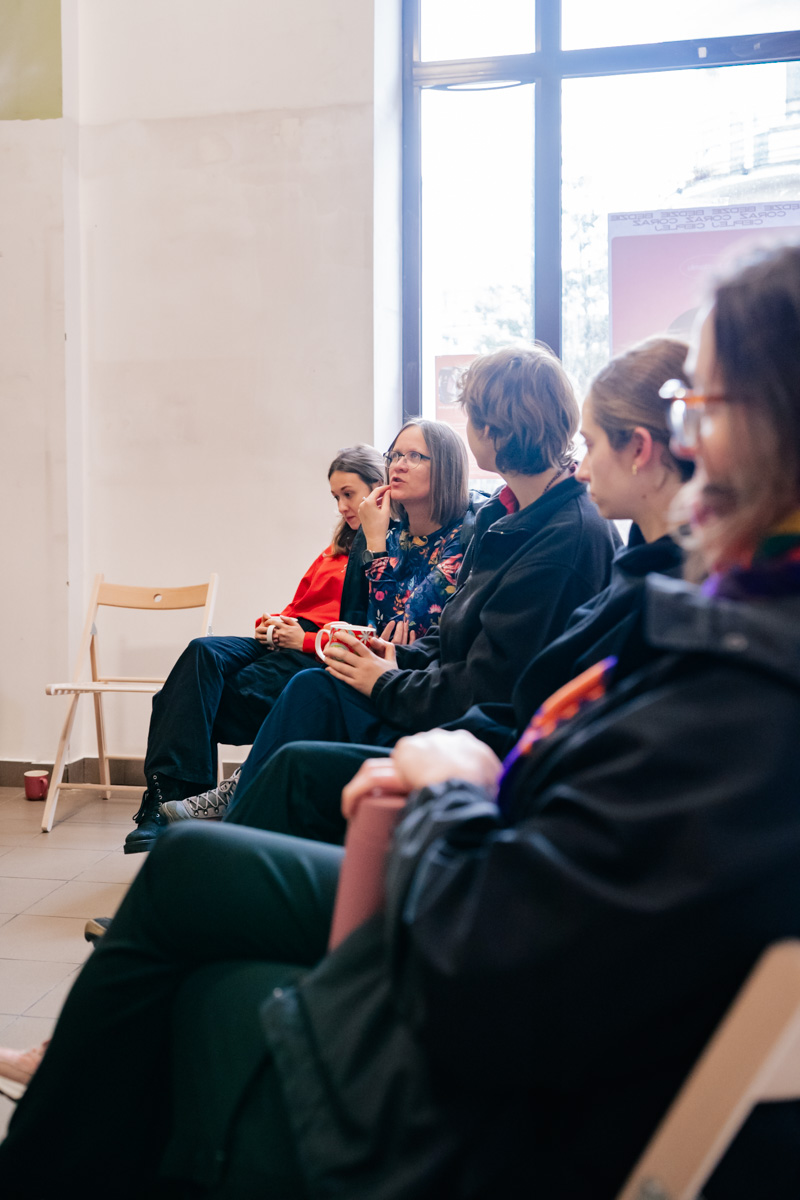
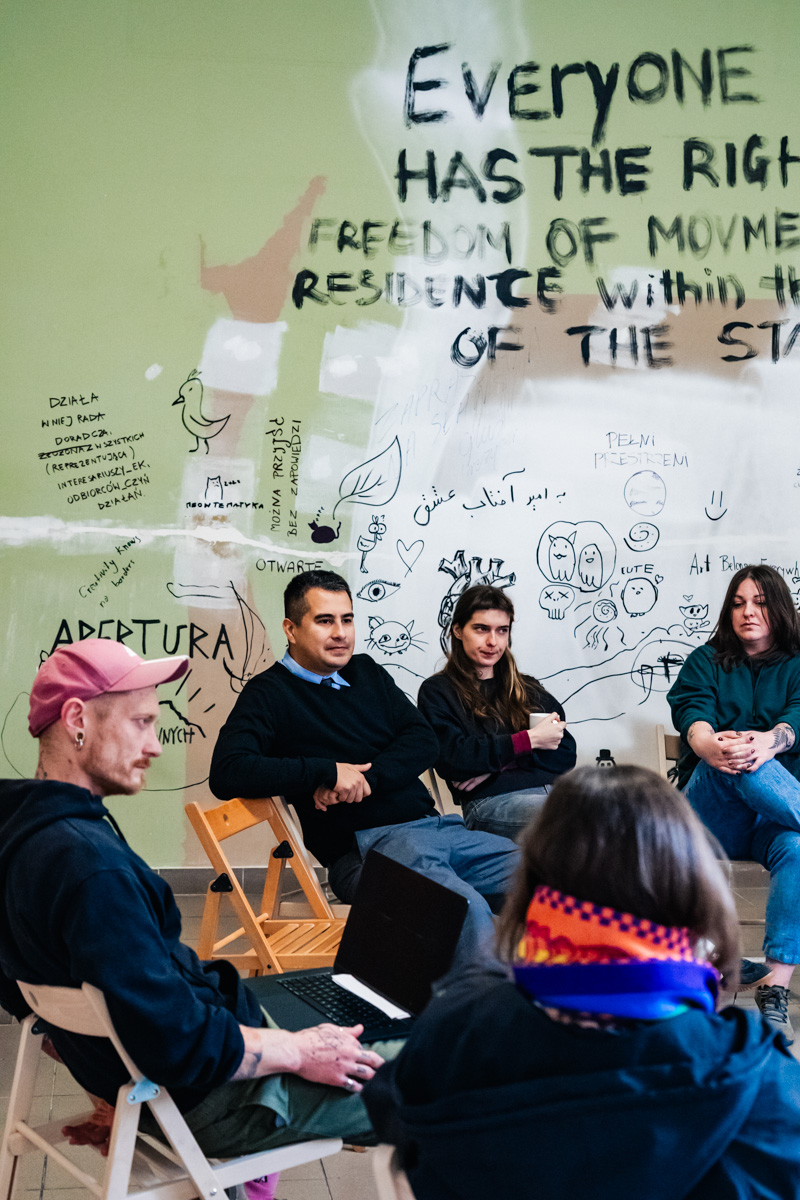
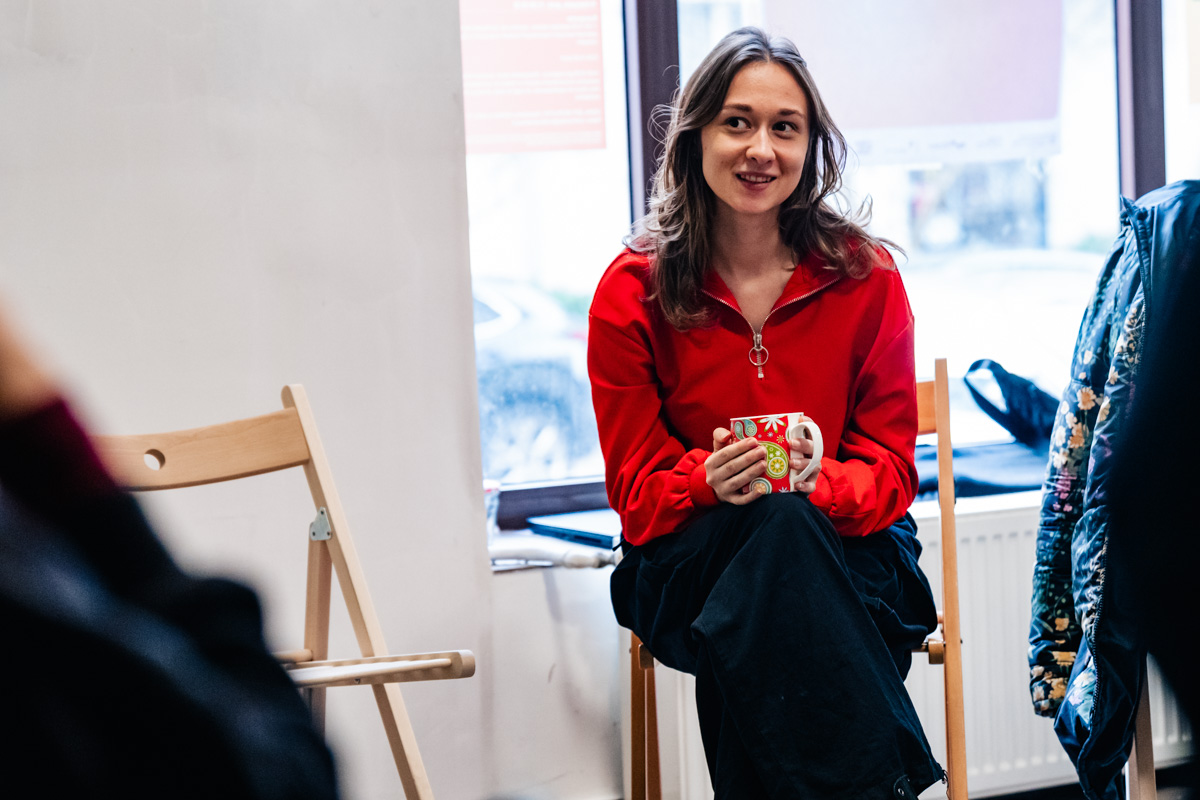
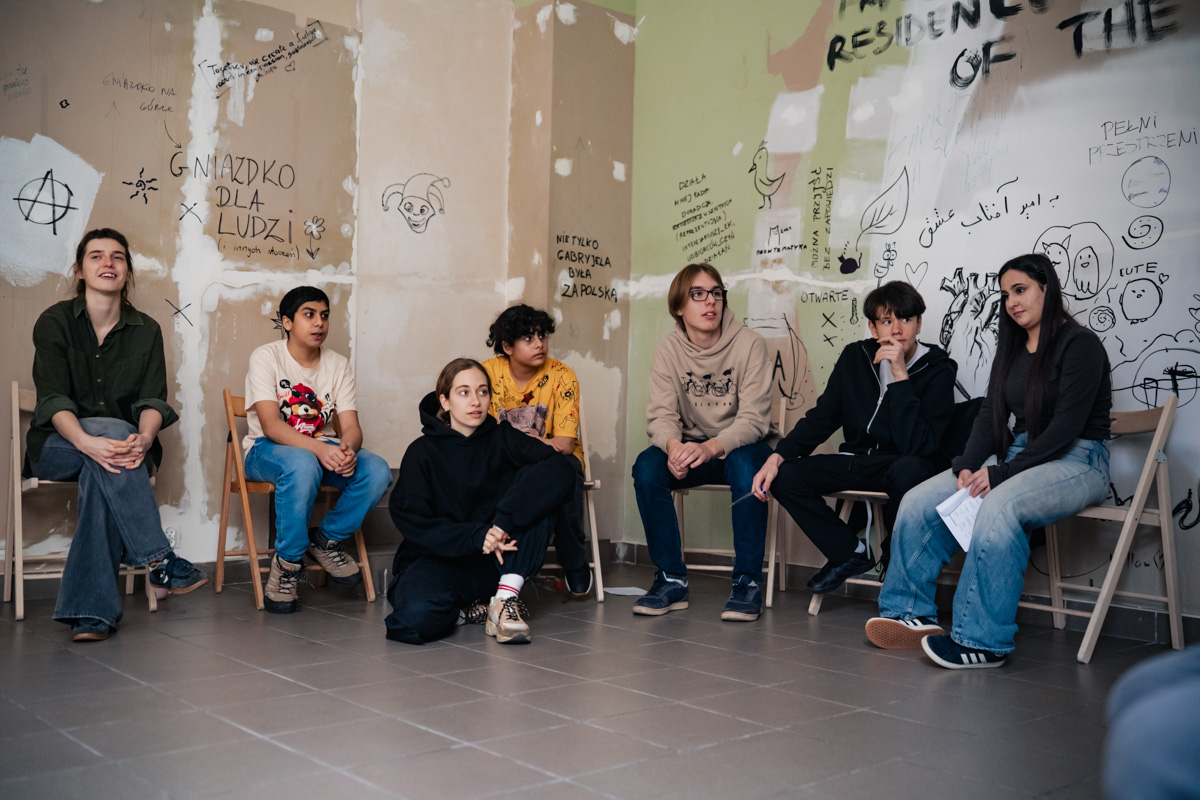
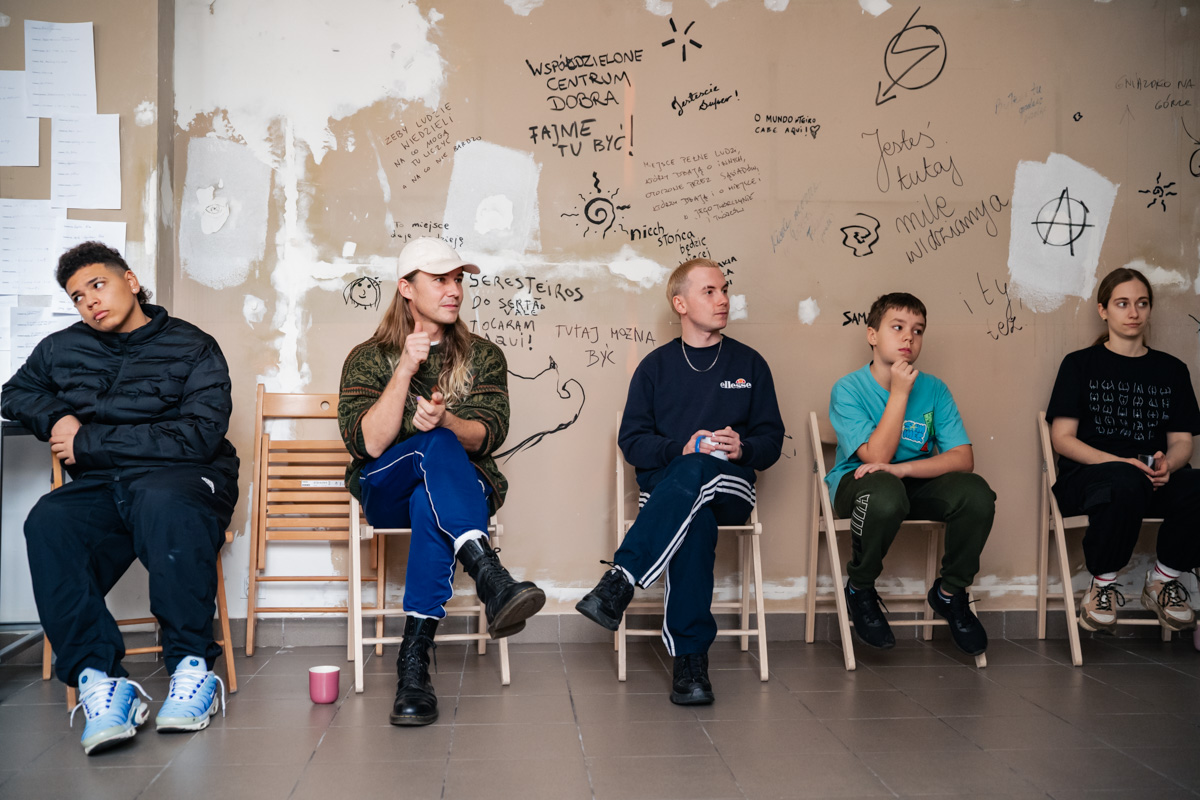
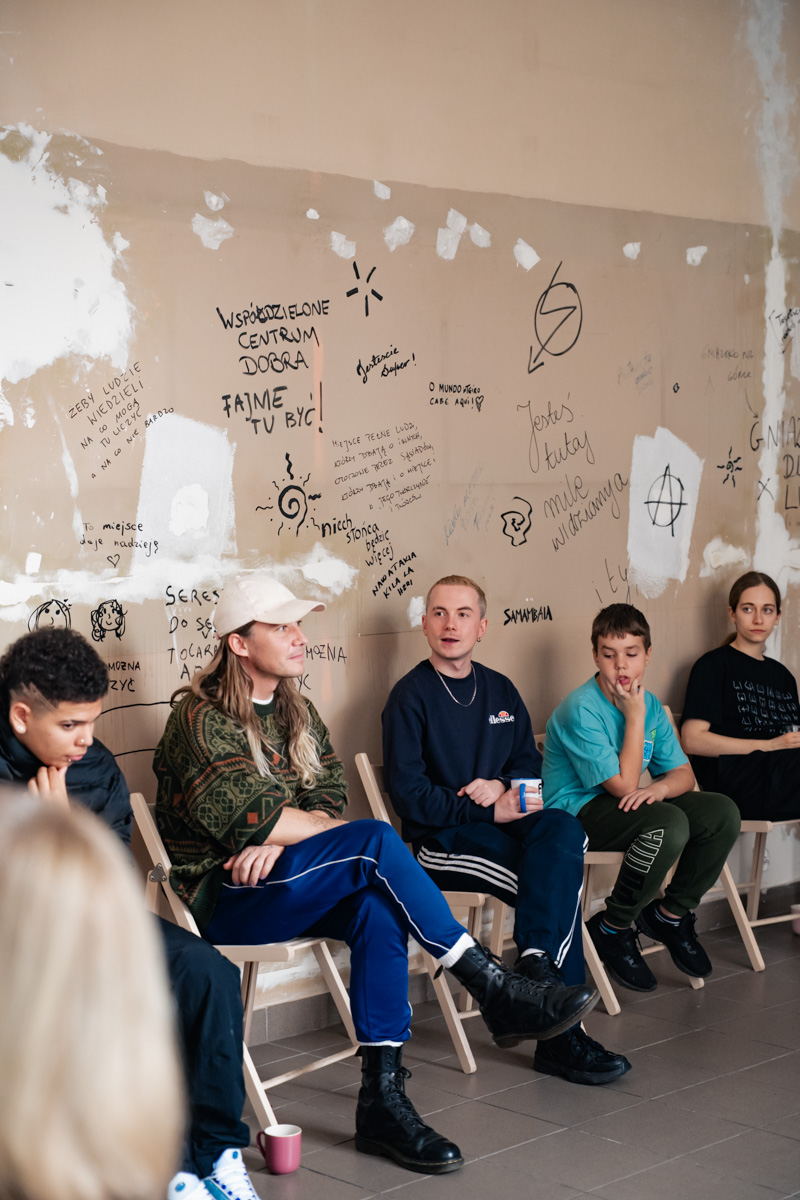
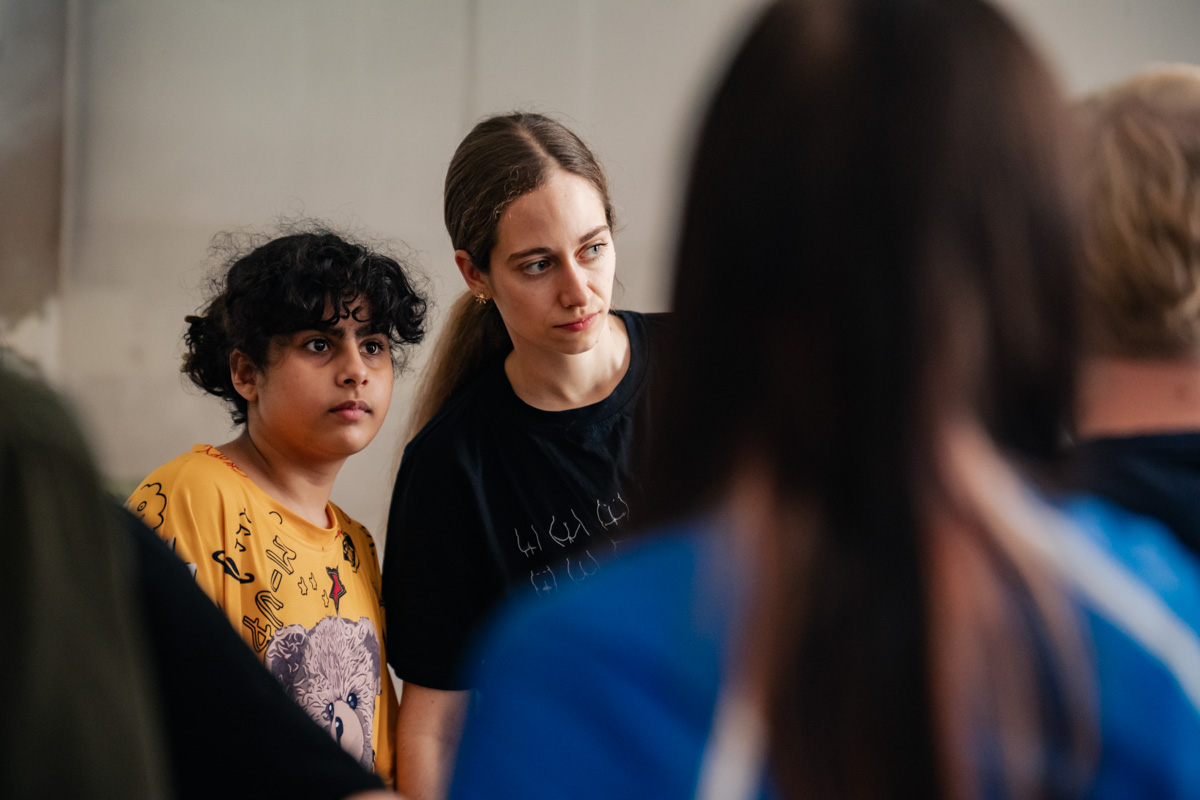
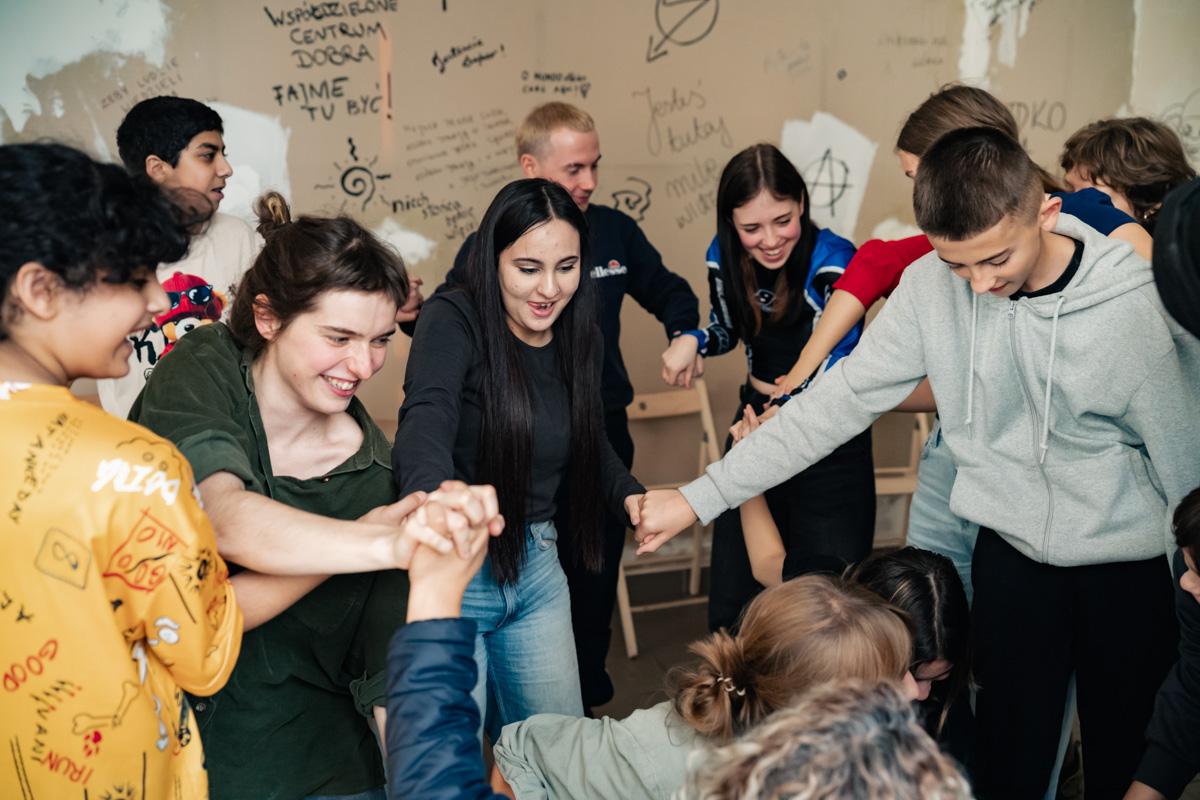
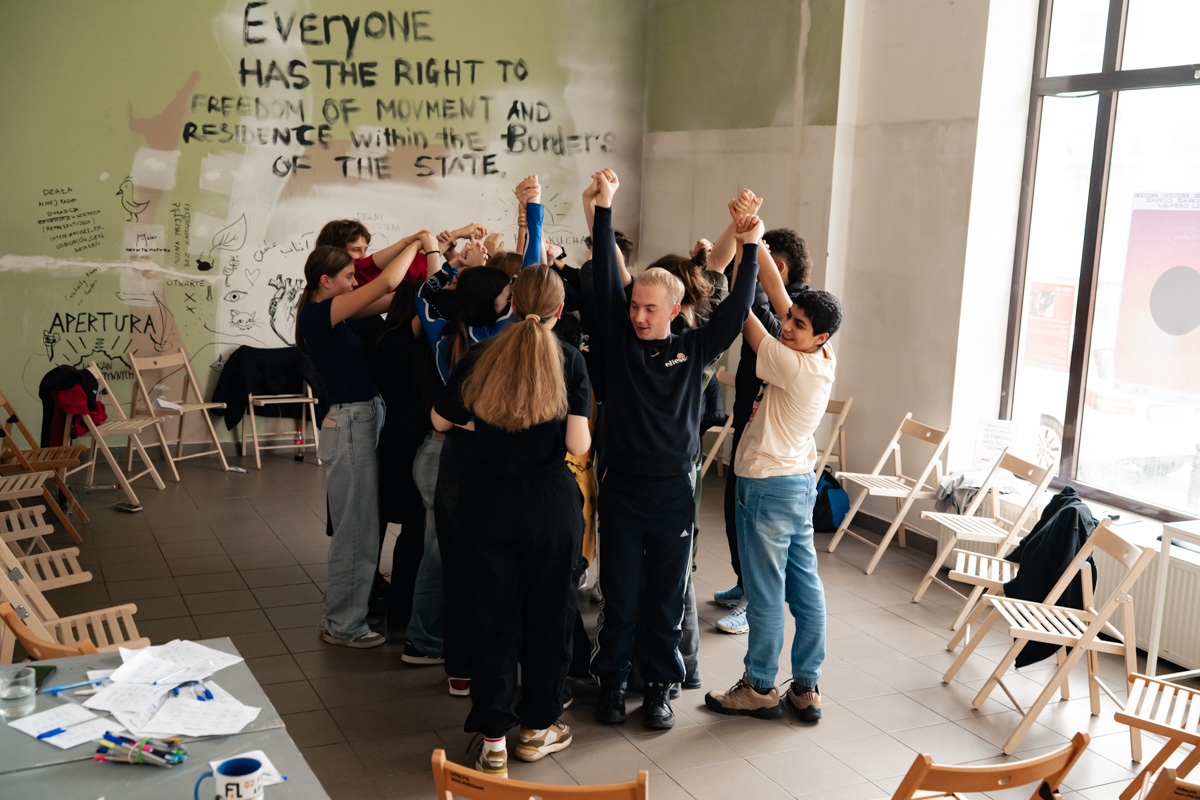
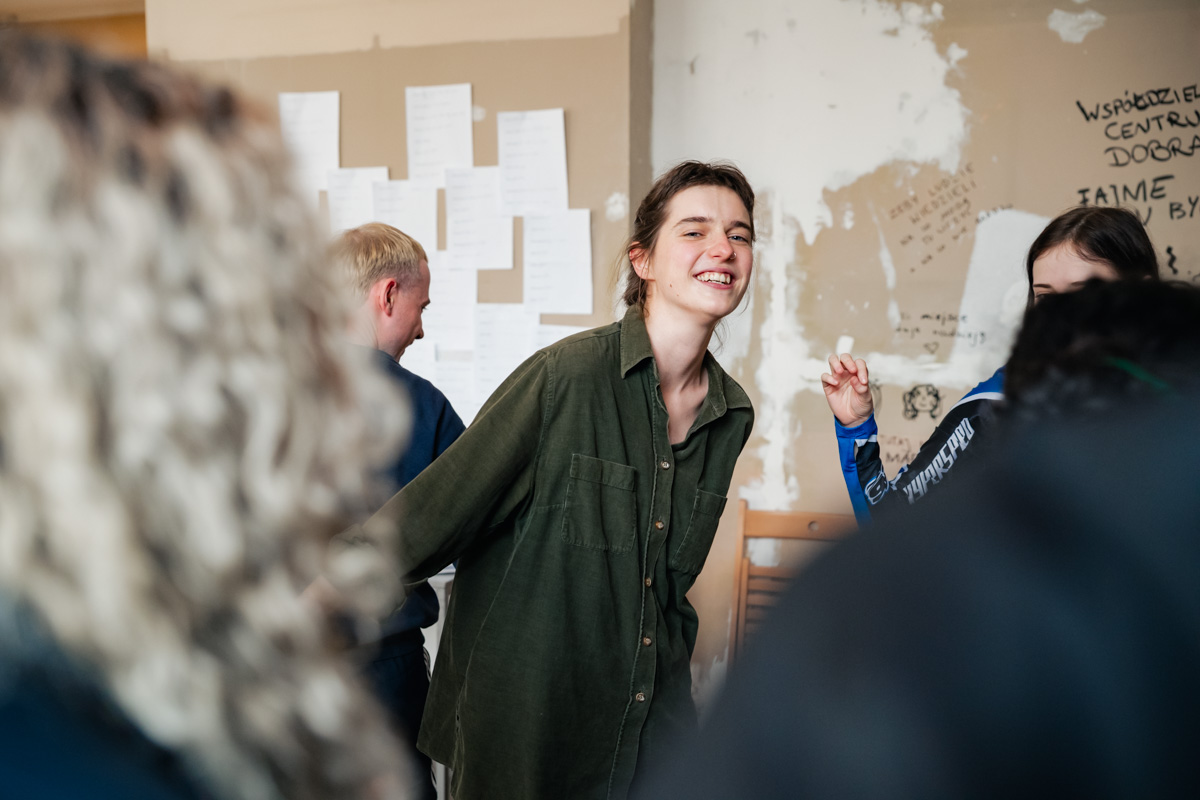
As part of the programme, participants, together with the Strefa WolnoSłowa team, will co-develop a programme of five migration-related initiatives to be implemented in autumn 2026. The process of developing these initiatives will offer practical training in project design, communication, scheduling, and budgeting, and—most importantly—will function as a participatory practice that actively includes migrant and refugee communities. The project will be preceded by workshops and consultations with people with lived experience of migration who collaborate with Strefa WolnoSłowa.
The School on Migration is open to anyone who is organising—or would like to organise—cultural initiatives in their local communities that foster inclusion and collective action among people of diverse cultural backgrounds. It is intended for cultural animators, artists, social practitioners, activists, educators, NGO workers and cultural institutions staff, as well as grassroots community leaders—regardless of prior experience in organising such initiatives, and irrespective of gender, background, or length of residence in Poland.
Dates of meeting:
March 21 and 22, April 11 and 12, May 9 and 10, June 13 and 14, October 10 and 11.
The Migration School program is conducted in Polish and English (depending on the workshop), with the possibility of translation into other languages if needed. Details will be discussed directly with those accepted to the School.
How to apply?
Applications for the 2026 edition can be submitted via the form [CLICK HERE]
Colophone:
Since 2023, the programme has been implemented in partnership with Jasna 10: Social Cultural Institution.
The project is co-organised by Strefa WolnoSłowa and Jasna 10: Social Cultural Institution as part of the public task “Jasna 10: Social Cultural Institution” financed by the Capital City of Warsaw.